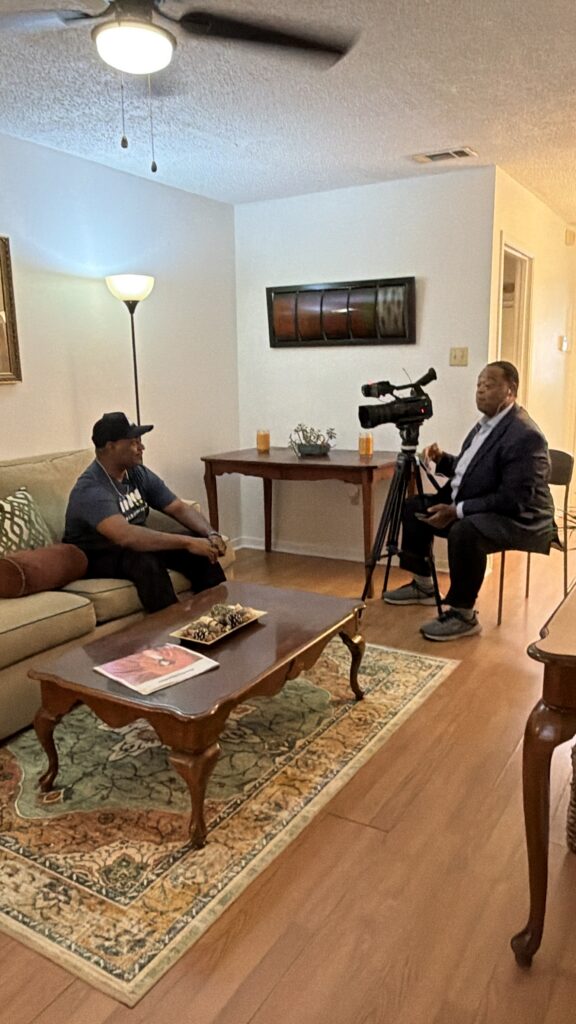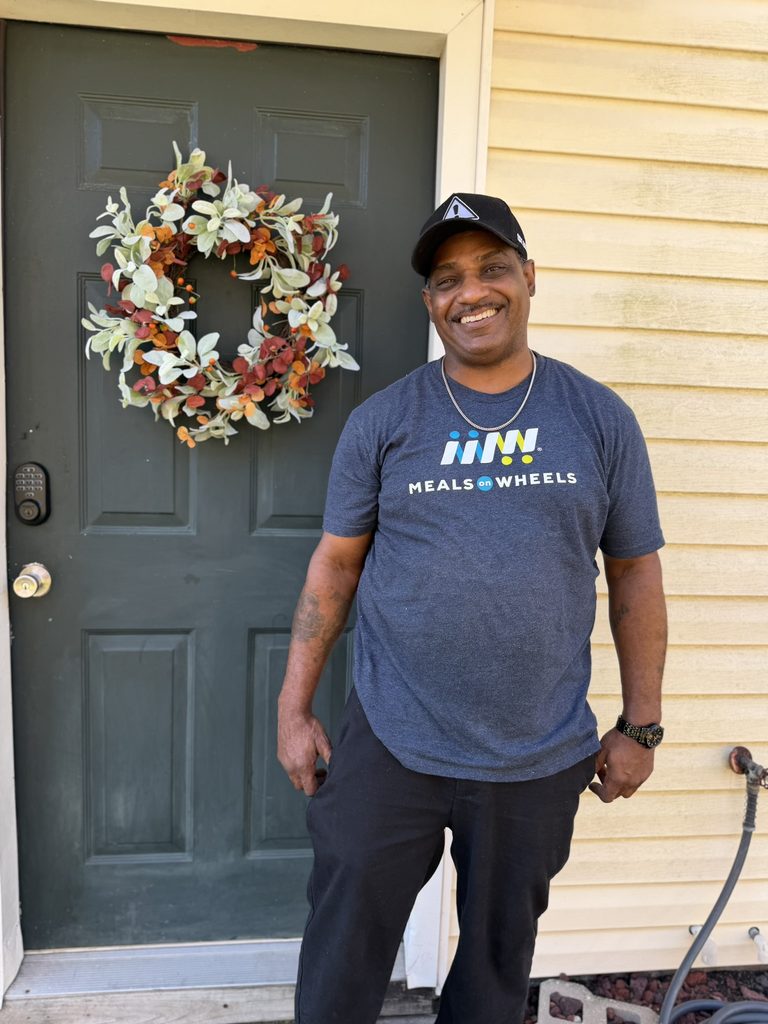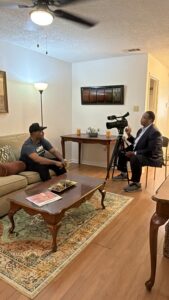
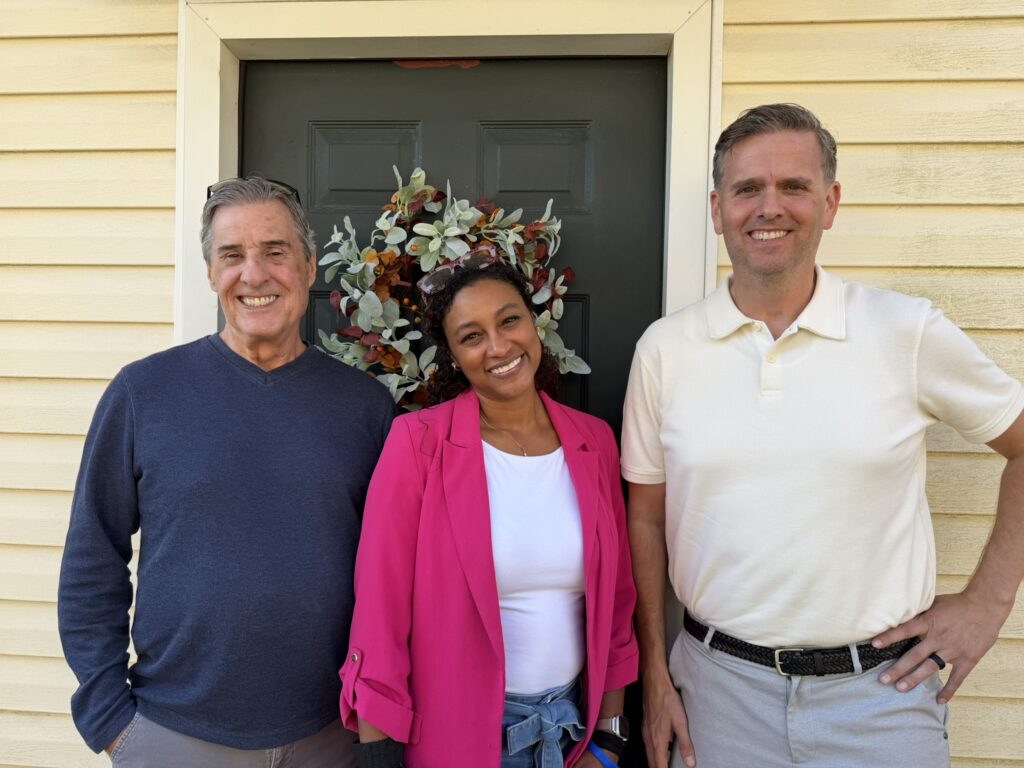
A small bird feeder in the shape of a pink flamingo hangs outside the door of the most recently purchased Parole Project property. It’s a two-bedroom townhome in a desirable neighborhood. Inside, it’s freshly painted, and a sofa anchors the living room, surrounded by lamps, a cozy reading corner, and a flat-screen TV. Freshly planted bulbs fill the flower beds outside.
The house looks like any other on the block. But for someone coming home from prison, it represents something far more significant. It’s a stable place to call home while they relearn life on the outside. This month, Parole Project marked the purchase of its 50th property used to provide people transitional housing, a milestone that reflects years of investment in addressing one of the greatest challenges facing people returning home from incarceration – access to safe, stable housing.
“We’ve always tried to respond to the needs we see in the people we serve,” said Andrew Hundley, executive director of Parole Project. “We recognized early on that we couldn’t fully support people returning from prison if they didn’t have a safe place to begin rebuilding their lives. By steadily increasing our housing capacity, we’ve been able to serve more people and give them a greater chance at long-term success. I can’t think of a better use of our resources.”
According to a 2024 report from the U.S. Department of Health and Human Services, securing safe and stable housing is often the most immediate challenge people face after leaving prison.
The report notes that, “Without housing, it is difficult for individuals to obtain employment, re-establish ties to family, access health and behavioral health treatment services, or comply with supervision requirements.”
Undra returned home from prison in August after 17 years.
“This is wonderful,” he said, walking into the newest Parole Project home where he recently moved. He paused, a wide grin on his face, looking at a whiteboard in the kitchen that read, “Welcome Home! Love Your Parole Project Family.” The home will provide him with a safe space so he can focus on work and building his future.
“Parole Project has done a lot for me,” he said. “They have shown me a better way of living.”
Research consistently shows that housing instability and incarceration are deeply connected. A report published by the Prison Policy Initiative found that people recently released from prison face homelessness rates that are nearly 12 times higher than the general population.
By purchasing and renovating properties, Parole Project is meeting a critical housing need for people impacted by incarceration. Each property expands the organization’s ability to offer formerly incarcerated persons a pathway to long-term stability, self-sufficiency, and success.
For Parole Project, the purchase of its 50th property is not simply a real estate milestone. It is a tangible investment in second chances and a recognition that successful reentry begins with a place to call home.
“Parole Project has turned the resources entrusted to us into something that will benefit people for years to come,” said Chip Songy, president of Parole Project’s Board of Directors. “These homes will continue providing opportunities for people long after today’s residents have moved on to independence. That’s the kind of lasting impact we want to make.”